
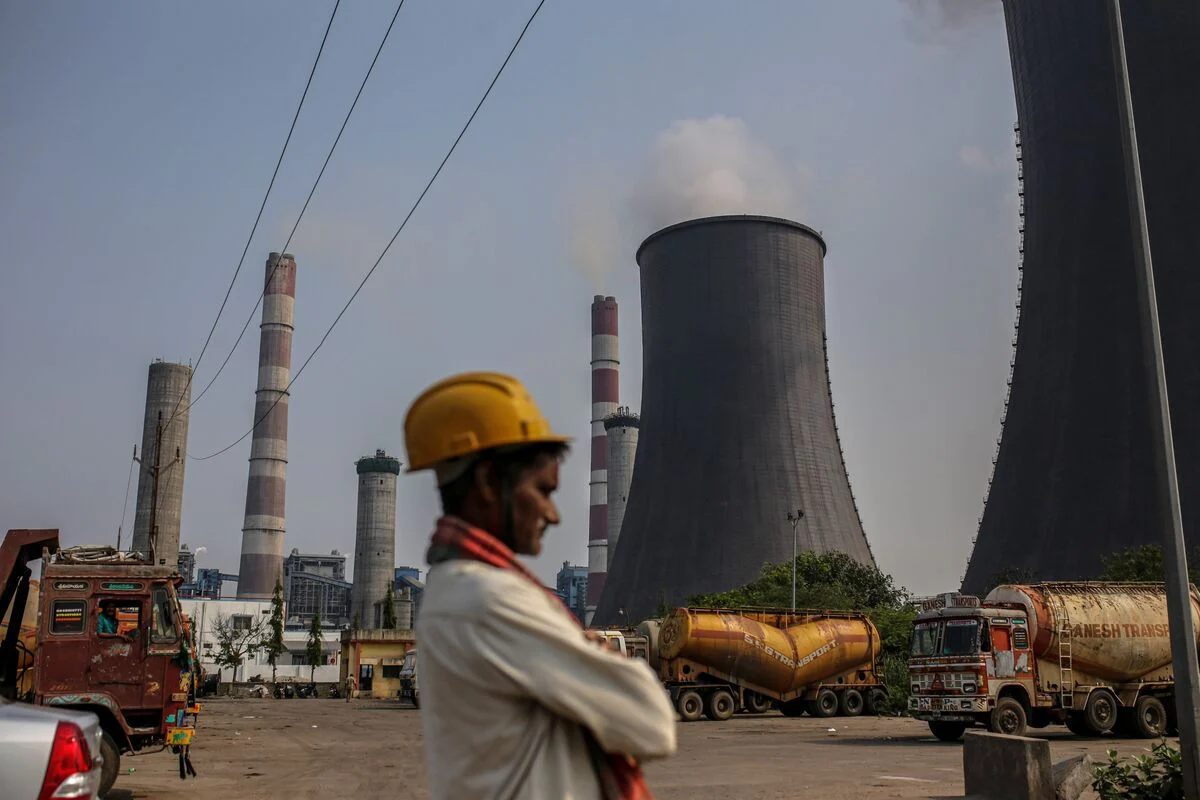
India Taps Coal Plants to Increase Renewable Energy Integration
India is encouraging coal-fired power plants to invest in upgrades that would enable them to operate regularly at lower capacities. This strategy aims to create more room in the power grid for a larger share of renewable energy sources, such as solar and wind. By adjusting the way coal plants function, India hopes to better integrate clean energy into its electricity system.
Currently, coal plants often run at high capacities to meet demand, which limits the ability to add more renewable energy. However, by allowing these plants to operate efficiently at reduced output levels, the grid can accommodate more solar and other renewable power. This approach reflects India’s commitment to increasing its renewable energy share while maintaining grid stability.
How India Taps Coal Plants to Support Renewable Energy Growth
The plan involves upgrading coal plants so they can run flexibly and reliably at lower output levels. These upgrades would help coal plants avoid frequent shutdowns and restarts, which can be costly and inefficient. Instead, the plants would run continuously but at reduced capacity, freeing up space on the grid for renewable energy to be added.
This method of operating coal plants at lower capacity is seen as a practical way to balance the grid as renewable energy sources, which can be variable, are expanded. By tapping coal plants in this way, India can ensure a smoother transition to a cleaner energy mix without compromising power supply reliability.
Benefits of India Taps Coal Plants Strategy for the Power Sector
Encouraging coal plants to work regularly at lower capacity has multiple benefits. It allows for a greater share of renewables in the power mix, which helps reduce carbon emissions and supports India’s climate goals. At the same time, it ensures that coal plants remain available to provide backup power when renewable generation is low.
This approach also helps manage the variability of renewable energy by providing a stable baseline of power from coal plants operating flexibly. As a result, India can increase its renewable capacity without risking power shortages or grid instability.
In summary, India taps coal plants by promoting upgrades that enable these plants to run efficiently at lower capacities. This strategy creates more room for renewable energy in the grid, supporting India’s transition toward a cleaner and more sustainable power system. By balancing coal and renewables effectively, India aims to meet growing electricity demand while advancing its environmental objectives.
For more stories on this topic, visit our category page.
Source: original article.