
Understanding Hazardous Material Summary Tables in Space Missions
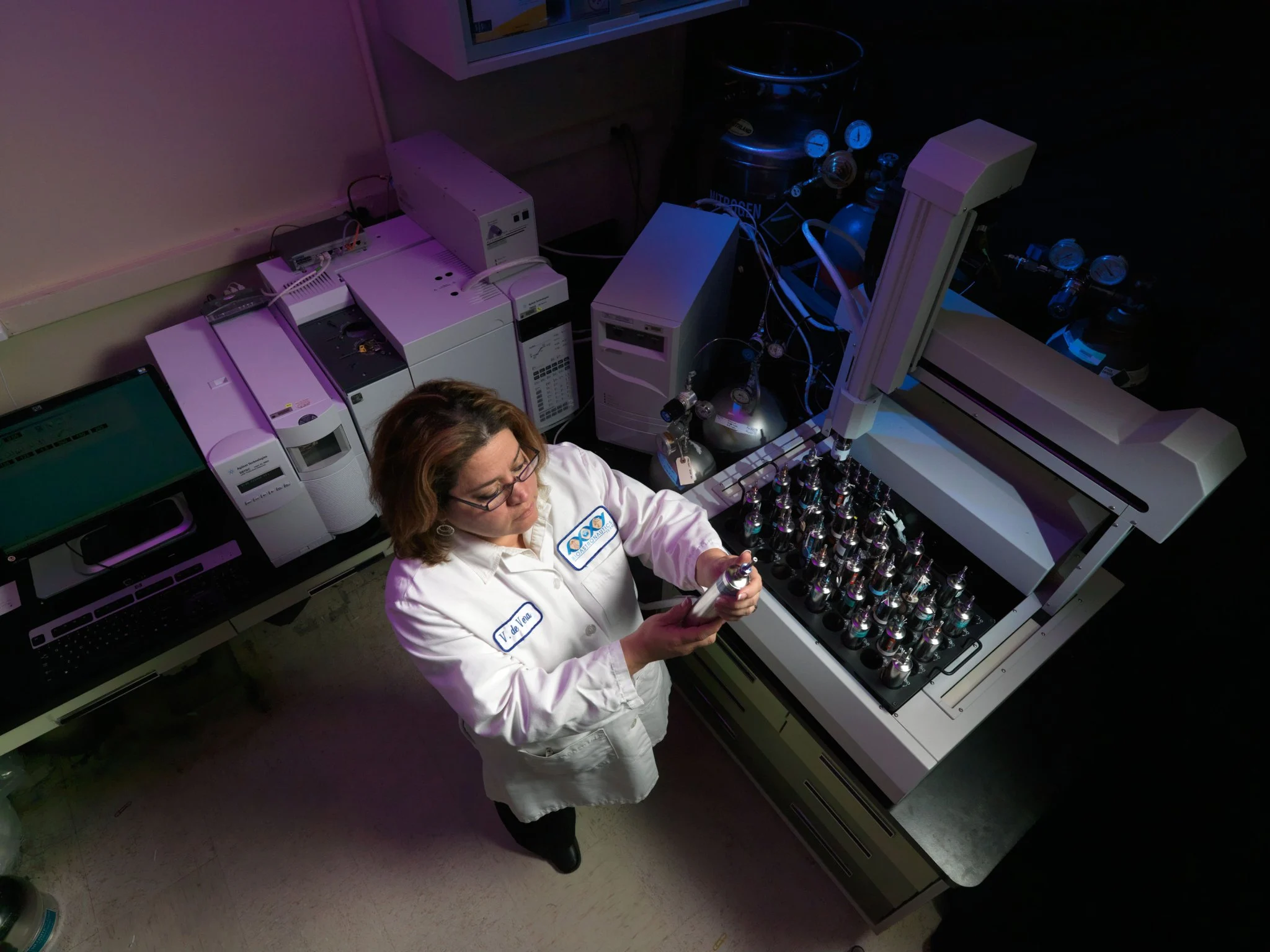
Hazardous material summary tables (HMSTs) are essential documents that compile the chemical, biological, and flammability hazards associated with materials used on specific space flights or missions. These tables are mandatory for safety across all NASA programs, including the International Space Station (ISS), the Commercial Crew Program (CCP), the Multi-Purpose Crew Vehicle (MPCV), and the Gateway program. At Johnson Space Center (JSC), toxicologists carefully assess the toxic hazard levels of all liquids, gases, particles, or gels that are flown on or transported to any manned U.S. spacecraft. Alongside toxicologists, JSC microbiologists and materials experts determine the biosafety and flammability hazard levels. All this information is recorded in the HMST and also maintained in a computerized in-flight version called the HazMat database.
How Hazardous Material Summary Tables Are Created and Used
The creation of hazardous material summary tables involves a detailed evaluation process. Toxicological hazard assessments follow guidelines outlined in JSC 26895, which provides instructions for assessing the toxic hazards of spacecraft chemicals and test materials. The assessments result in a Toxicity Hazard Level (THL), which, combined with the BioSafety Level (BSL) and Flammability Hazard Level (FHL), determines the overall Hazard Response Level (HRL). This HRL is crucial for labeling materials and guiding operational responses during missions, as specified by flight rule B20-16.
To obtain these toxicological hazard assessments, submitters must follow the requirements detailed in JSC 27472. This document defines what constitutes chemicals and biological materials for spaceflight and specifies who must provide data to JSC toxicologists. It also outlines the necessary information, submission schedules, formats, and contact details. Additional U.S. requirements for biological materials are available through the Biosafety Review Board (BRB), while environmental control and life support assessments are covered in JSC 66869.
Submitting Data for Hazardous Material Summary Tables
For all flights to the ISS and Artemis program requests—including Orion, Gateway, and the Human Lander System (HLS)—data must be submitted using the electronic hazardous materials summary table (eHMST) tool. If access to this tool is not available, a NAMS request can be submitted to gain access through JSC – CMC External Tools. Training resources for the eHMST tool are also provided to assist submitters.
In cases where experimental payloads or hardware are planned for launch on Russian vehicles, or are stowed, operated, returned, or disposed of on the Russian Segment of the ISS, it is strongly recommended that payload providers submit biological and chemical data to the Russian Institute for Biomedical Problems. Contact information for this institute is provided to facilitate communication.
The hazardous material summary tables play a vital role in ensuring the safety of crew members and spacecraft by clearly documenting the risks associated with materials used in space missions. Through rigorous toxicological, biosafety, and flammability assessments, NASA maintains strict control over hazardous substances, enabling safe and successful human spaceflight operations.
For more stories on this topic, visit our category page.
Source: original article.