
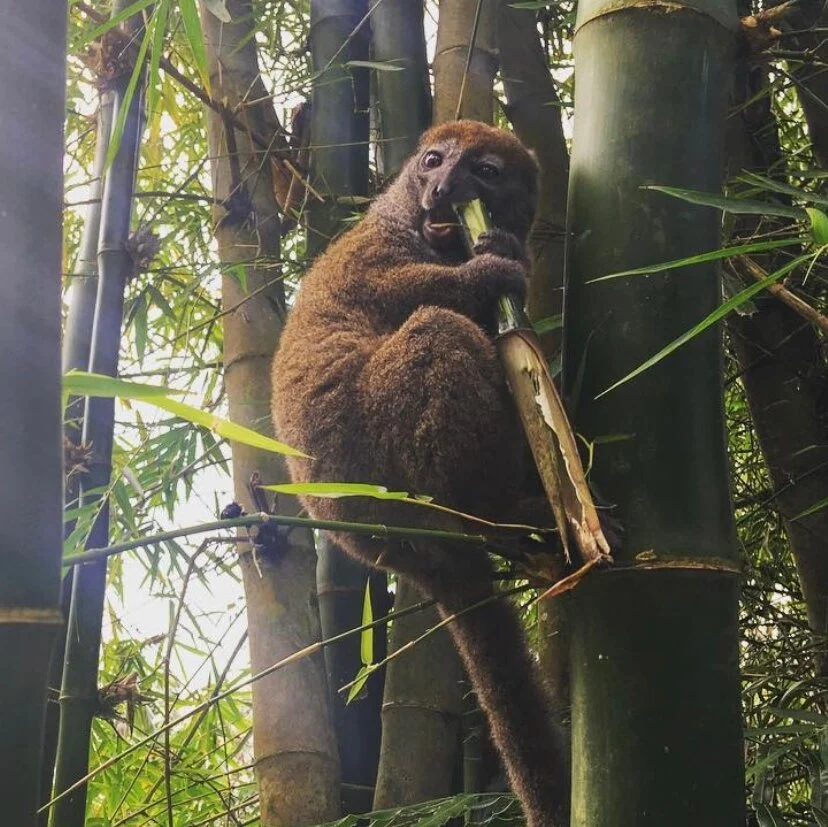
Lemurs in Madagascar Face a Growing Threat from Illegal Hunting
Lemurs in Madagascar face a serious and unexpected danger as thousands of these endangered primates are being hunted and consumed by people in the wealthier segments of the country’s society. Despite their protected status, lemurs are increasingly ending up on the dinner plates of those who have the financial means to afford such exotic meals. This troubling trend poses a significant threat to the survival of these unique animals.
The practice of hunting lemurs for food is not widespread among the general population but is concentrated among the upper class, who view eating lemurs as a status symbol or a delicacy. This demand from affluent individuals has driven up the illegal hunting of lemurs, putting additional pressure on already vulnerable populations. The fact that these primates are endangered makes the situation even more critical, as their numbers continue to decline due to habitat loss and now, direct human consumption.
The Impact of Wealth on Lemur Hunting in Madagascar
The role of wealth in the hunting of lemurs in Madagascar cannot be overstated. Those with disposable income are fueling a market for lemur meat that threatens the species’ survival. This demand is not driven by necessity but by choice, as lemurs are considered a luxury food item among the country’s elite. As a result, the hunting of lemurs has become a symbol of social status, leading to increased poaching despite legal protections.
This situation highlights the complex relationship between economic status and wildlife conservation. While many people in Madagascar rely on natural resources for subsistence, the hunting of lemurs by the wealthy is a deliberate act that undermines conservation efforts. The targeting of lemurs by affluent consumers adds a layer of difficulty to protecting these primates, as enforcement must contend with powerful social and economic interests.
Conservation Challenges as Lemurs in Madagascar Face Illegal Hunting
Conservationists face significant challenges as lemurs in Madagascar face this unexpected killer. The illegal hunting fueled by the demand from wealthy individuals complicates efforts to protect these endangered primates. While habitat destruction remains a major threat, the direct killing of lemurs for food adds a new and urgent dimension to their conservation.
Efforts to curb this practice require addressing the social and economic factors that drive the demand for lemur meat among the upper class. Raising awareness about the endangered status of lemurs and enforcing existing wildlife protection laws are crucial steps. However, without reducing the appetite for lemur meat among the wealthy, the survival of these unique primates remains at risk.
In summary, lemurs in Madagascar face a growing and unexpected threat from illegal hunting driven by the country’s affluent population. Thousands of these endangered primates are being killed to satisfy the tastes of those with money to spare, making conservation efforts more challenging. Addressing this issue requires a multifaceted approach that considers both the ecological and social dimensions of the problem.
For more stories on this topic, visit our category page.
Source: original article.