
PLANETS Units Have Landed: Free NASA-Funded Out-of-School Time Resources
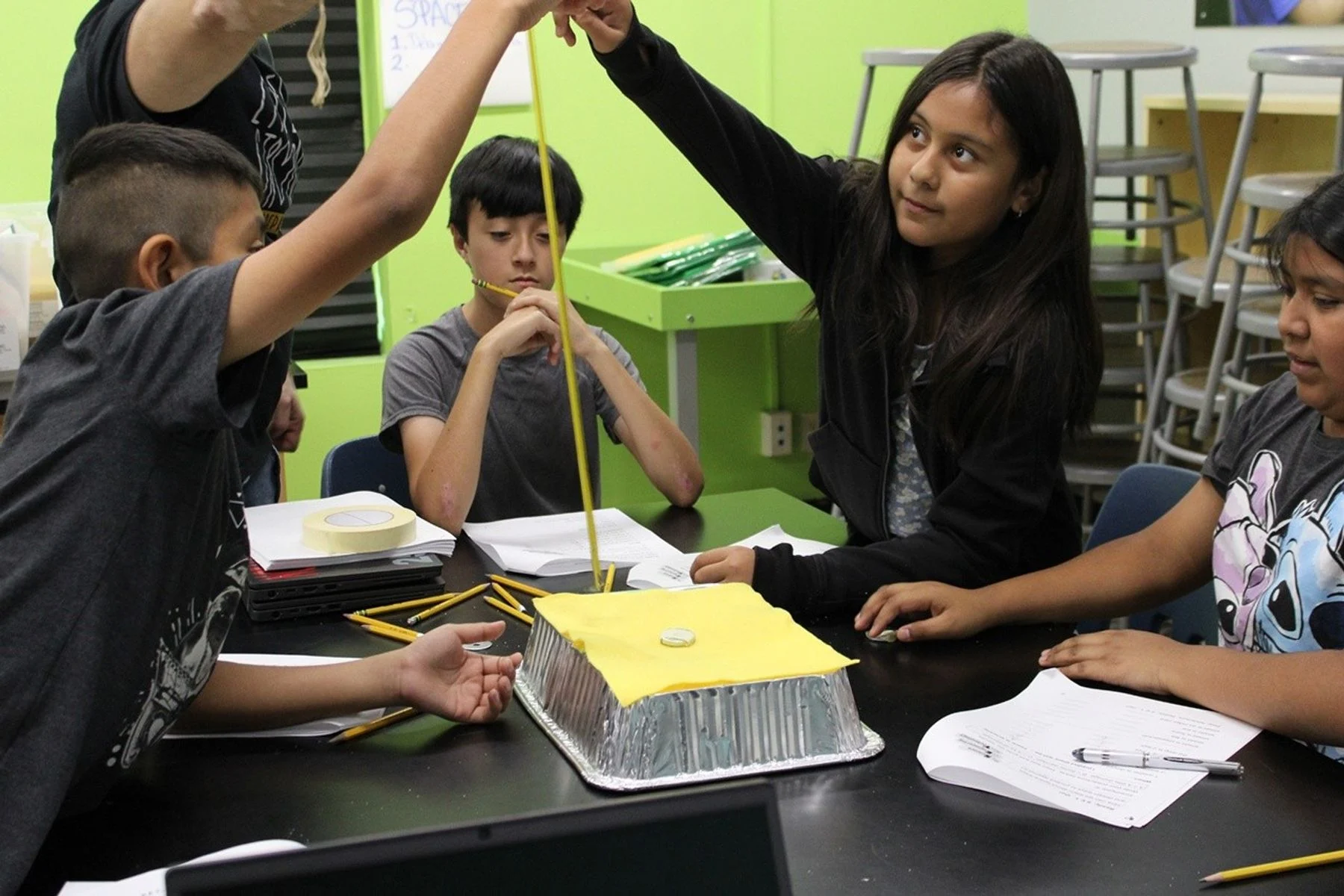
The NASA Science Activation program’s PLANETS project, led by Northern Arizona University (NAU), has officially launched three free out-of-school time (OST) units. These units offer learners in grades 3-5 and 6-8 the opportunity to engage in authentic planetary science and engineering activities. Supported by detailed educator guides, videos, and additional resources, these units are designed to make STEM learning accessible and exciting for all students.
The three units—Space Hazards, Water in Extreme Environments, and Remote Sensing—feature complementary science and engineering pathways. Each unit can be taught independently or combined with the others. Experts from the USGS Astrogeology Science Center collaborated closely with STEM education specialists from NAU’s Center for STEM Teaching & Learning, the Boston Museum of Science, and WestEd. Their joint effort ensured that the activities are scientifically accurate, educationally sound, and engaging for learners.
Inclusive and Research-Based Curriculum Design
PLANETS units have been intentionally created to support diverse learners. The curriculum incorporates research-based teaching strategies that address the needs of multilingual students, Indigenous learners, and those with varying physical abilities. These units have undergone extensive testing in out-of-school time programs nationwide. Feedback from these programs led to revisions that enhance the curriculum’s effectiveness and accessibility.
In addition to the student activities, PLANETS provides practical guidance for OST educators. The materials include background information on the science topics, instructional videos, and tips for teaching. Educators also receive links to relevant NASA projects and resources, helping them connect classroom learning with real-world space science.
Kara Branch, CEO and Founder of Black Girls Do Engineer, praised PLANETS as “one of the most thoughtfully designed STEM resources” for out-of-school settings. She highlighted the hands-on activities as engaging and accessible, emphasizing the program’s support for diverse learners and clear guidance for facilitators. According to Branch, PLANETS is ideal for building STEM identity, teamwork, and creative problem-solving skills in youth programs.
Exploring the PLANETS Units
The Space Hazards unit targets learners in grades 3-5. In this unit, students play a card game to explore how people on Earth and astronauts in space face various hazards. The engineering challenge asks students to design a space glove that protects astronauts while allowing them to work effectively.
For grades 6-8, the Water in Extreme Environments unit offers two pathways. The science pathway uses “water cards” to teach students where water exists in the solar system—revealing that the most water is not on Earth. The engineering pathway addresses the scarcity of fresh water on Earth and in space. Students design filtration systems to purify water for reuse, highlighting real-world challenges faced by astronauts and people in extreme environments.
Also designed for grades 6-8, the Remote Sensing unit immerses students in the role of NASA spacecraft engineers. In the engineering pathway, learners design remote sensing devices to study planetary surfaces like Mars. The science pathway uses actual NASA remote sensing data from Mars landing site candidates. Students analyze this data to select the best location for a rover landing.
All PLANETS materials are freely available online at planets-stem.org. These resources empower learners to see themselves as scientists and engineers, engaging with real NASA science.
PLANETS is supported by NASA under cooperative agreement award number NNX16AC53 and is part of NASA’s Science Activation Portfolio. This initiative connects NASA science experts, authentic content, and community leaders to foster deeper understanding of our world and beyond through hands-on science experiences.
By providing these thoughtfully designed, free resources, PLANETS ensures that planetary science and engineering are accessible to all learners outside the traditional classroom setting. The launch of these units marks an important step in expanding STEM education opportunities through engaging, real-world challenges.
For more stories on this topic, visit our category page.
Source: original article.