
Newly Found Organics in Enceladus’ Plumes Reveal Potential for Chemical Activity
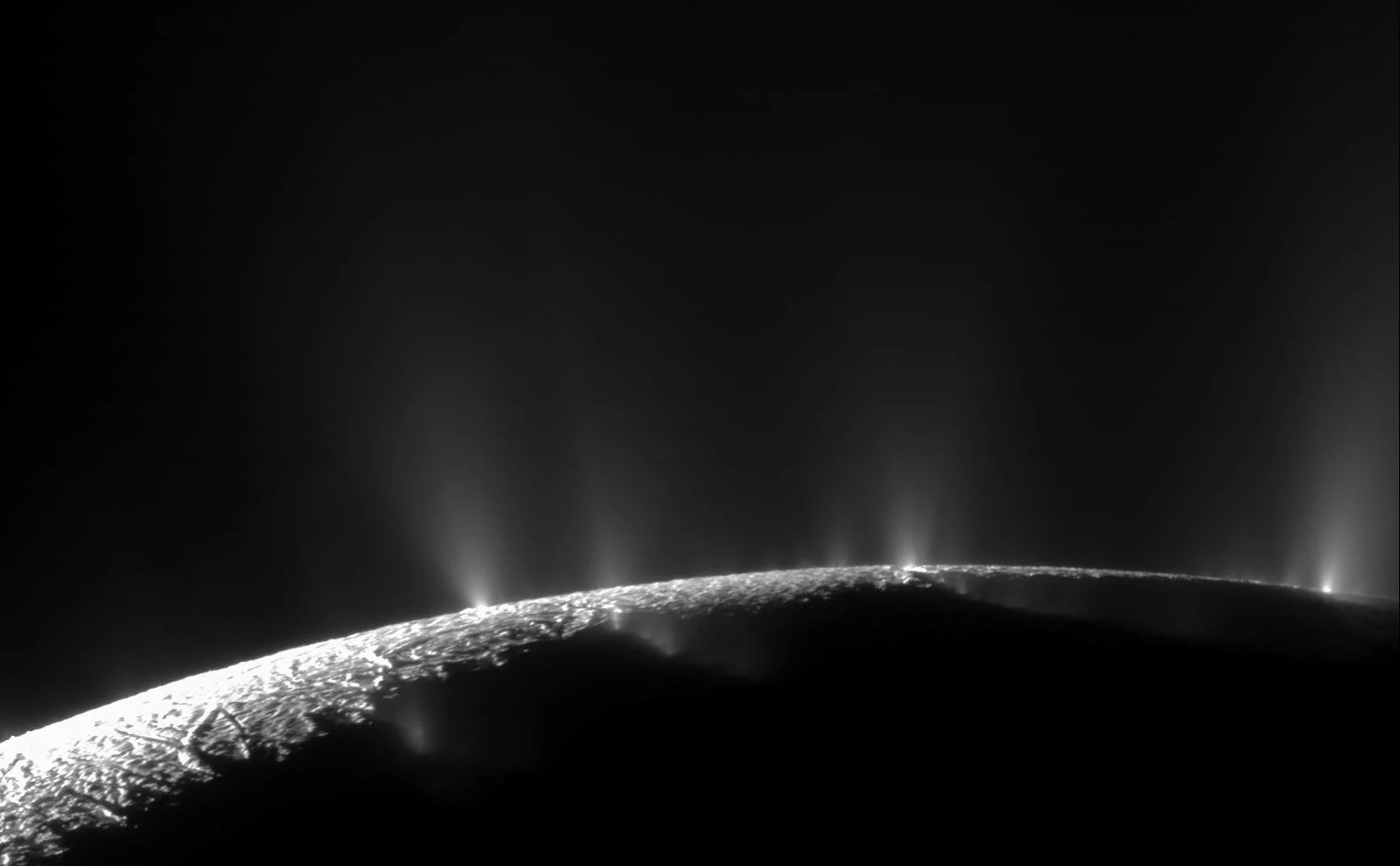
Saturn’s moon Enceladus is known for its dramatic plumes of water ice that erupt from multiple locations along the famous tiger stripes near its south pole. These plumes, both large and small, spray water ice particles into space, creating a spectacular display. A study published in October 2025 analyzed data from NASA’s Cassini mission and revealed the presence of previously undetected organic compounds within these icy plumes.
The ice particles seen in the plumes are ejected from the ocean beneath Enceladus’ frozen shell. This subsurface ocean has long been a subject of interest because it may harbor conditions suitable for life. The recent study not only confirmed the presence of organic molecules that had been detected before but also identified new organic compounds. These newly found organics in Enceladus’ plumes suggest a possible pathway toward chemical or even biochemical activity beneath the moon’s icy crust.
Insights from NASA’s Cassini Mission on Newly Found Organics in Enceladus’ Plumes
NASA’s Cassini spacecraft provided a wealth of data during its mission, allowing scientists to study Enceladus in unprecedented detail. The October 2025 study focused on analyzing the composition of the ice particles ejected by the moon’s plumes. These particles originate from the ocean hidden beneath the surface, offering a rare glimpse into the moon’s internal chemistry.
Researchers discovered that the plumes contain a variety of organic molecules. While some of these molecules had been observed in previous studies, the new analysis detected additional organic compounds that had not been seen before. The identification of these newly found organics in Enceladus’ plumes opens up exciting possibilities for understanding the chemical processes occurring in the moon’s ocean. It also raises intriguing questions about the potential for biochemical activity, which could have implications for the search for life beyond Earth.
Significance of Newly Found Organics in Enceladus’ Plumes for Astrobiology
The discovery of new organic compounds in the plumes of Enceladus is significant for several reasons. Organic molecules are the building blocks of life, and their presence in the moon’s ocean suggests that the environment might support complex chemical reactions. These reactions could lead to the formation of more complex molecules necessary for life as we know it.
The newly found organics in Enceladus’ plumes provide important clues about the moon’s internal environment and its potential habitability. Since the ice particles are directly linked to the ocean beneath the surface, studying them allows scientists to infer the chemical makeup of that hidden ocean. This information is crucial for understanding whether Enceladus could harbor life or at least the precursors to life.
In summary, the plumes of Enceladus continue to be a source of fascinating discoveries. The recent identification of previously undetected organic compounds in these icy sprays highlights the moon’s potential as a place where chemical or biochemical activity might occur. As research continues, Enceladus remains one of the most promising locations in our solar system for exploring the origins and existence of life beyond Earth.
For more stories on this topic, visit our category page.
Source: original article.