
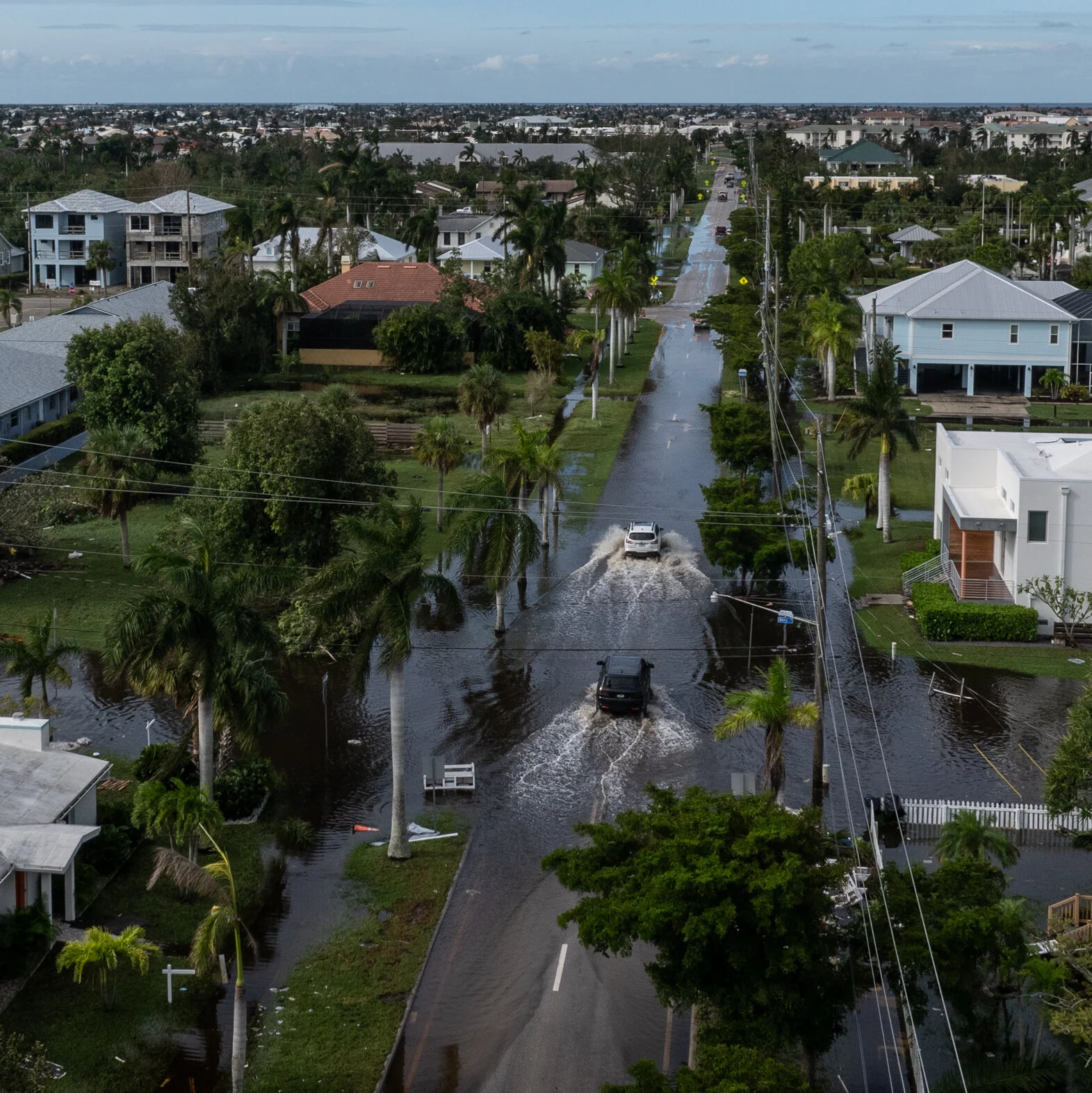
Zillow Removes Climate Risk Scores From Home Listings
Zillow removes climate risk scores from its home listings, a move that has attracted attention from both the real estate industry and homeowners. These scores were originally designed to estimate the potential risk a property might face from natural disasters such as fires, floods, and storms. However, concerns about the accuracy of these predictions have led to criticism from various stakeholders.
The climate risk scores intended to provide buyers and sellers with valuable information about environmental hazards that could affect a property. By highlighting potential threats, the scores aimed to help people make more informed decisions when purchasing or selling homes. Despite this goal, many in the real estate community and homeowners themselves questioned the reliability of these assessments.
Reasons Behind Zillow Removing Climate Risk Scores
The decision to remove the climate risk scores came after feedback from users who found the information to be misleading or inaccurate. Some real estate professionals argued that the scores did not reflect the true risk levels for specific properties. Homeowners also expressed concerns that the scores could unfairly impact property values or create unnecessary alarm.
Zillow’s climate risk scores were meant to predict the likelihood of damage from environmental events, but the complexity of such risks made it difficult to provide precise evaluations. The challenges in accurately assessing the risks of fires, floods, and storms contributed to doubts about the usefulness of the scores. As a result, Zillow chose to remove these scores from its listings to avoid confusion and potential misinformation.
Impact of Zillow Removing Climate Risk Scores on Real Estate
Removing the climate risk scores from home listings may change how buyers and sellers approach environmental risk information. Without these scores, individuals will need to rely on other sources or expert advice to understand the potential hazards associated with a property. This could lead to a greater emphasis on local knowledge and professional assessments when evaluating climate risks.
The removal of the scores also highlights the challenges of integrating complex environmental data into real estate platforms. While the intention behind the climate risk scores was to provide helpful insights, the difficulty in ensuring their accuracy has proven to be a significant obstacle. Zillow’s decision reflects the need for more reliable methods to communicate climate-related risks to the public.
In summary, Zillow removes climate risk scores from home listings due to concerns over their accuracy and the potential for misleading information. These scores were designed to predict risks from fires, floods, and storms but faced criticism from both the real estate industry and homeowners. The removal marks a shift in how climate risk information is presented in the housing market, emphasizing the importance of accurate and trustworthy data.
For more stories on this topic, visit our category page.
Source: original article.