
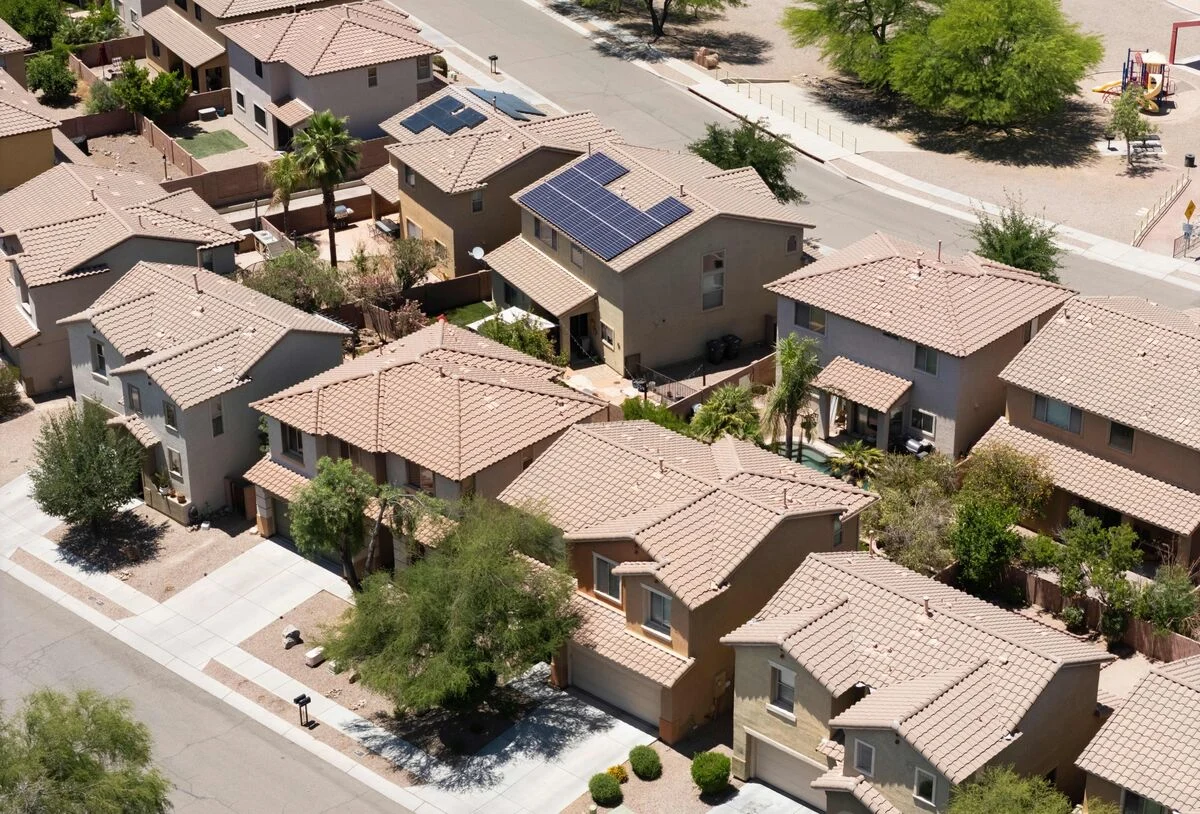
Homeowners Risk Missing Out on Solar Tax Credits Due to Permitting Delays
Homeowners risk missing out on valuable solar tax credits as the deadline for qualifying installations approaches rapidly. The 30% US tax credit for residential solar and battery systems is set to expire on December 31. This has created a surge in demand, with many homeowners eager to install these systems before the end of the year. However, installers warn that lengthy permitting processes are threatening to derail these plans.
The tax credit offers a significant financial incentive for homeowners to invest in solar energy. By covering 30% of the installation costs, the credit makes solar and battery systems more affordable and attractive. As the deadline draws near, many homeowners are rushing to take advantage of this opportunity. Unfortunately, the time it takes to obtain the necessary permits is causing delays that could prevent installations from being completed in time.
Permitting Delays Put Homeowners at Risk of Missing Out
Permitting is a crucial step in the installation process for residential solar and battery systems. It involves obtaining approval from local authorities to ensure that the installation meets safety and regulatory standards. However, this process can be slow and complicated, often taking weeks or even months to complete. Installers report that these delays are becoming a major obstacle for homeowners hoping to qualify for the tax credit.
Because the tax credit expires at the end of the year, any delay in permitting can push the installation past the deadline. This means that even if a homeowner has signed a contract and scheduled an installation, they may still miss out on the tax credit if the permits are not approved quickly enough. The risk is particularly high in areas where permitting offices are overwhelmed with applications due to the surge in demand.
Why Homeowners Risk Missing Out on Solar Tax Credits
The combination of a looming deadline and slow permitting processes creates a challenging situation for homeowners. While the financial benefits of the 30% tax credit are clear, the practical hurdles of navigating local regulations can be daunting. Installers emphasize that homeowners need to act quickly and be aware of the potential delays.
To maximize their chances of qualifying for the tax credit, homeowners should start the permitting process as early as possible. They should also maintain close communication with their installers and local permitting offices to monitor progress. Despite these efforts, the risk remains that some homeowners will not complete their installations before December 31 and will therefore miss out on the tax credit.
In summary, homeowners risk missing out on solar tax credits due to the combination of a fast-approaching deadline and lengthy permitting times. The 30% US tax credit for residential solar and battery systems is a valuable incentive, but delays in obtaining permits could prevent many from benefiting. Those interested in installing solar energy systems should act quickly and plan carefully to avoid losing this opportunity.
For more stories on this topic, visit our category page.
Source: original article.