
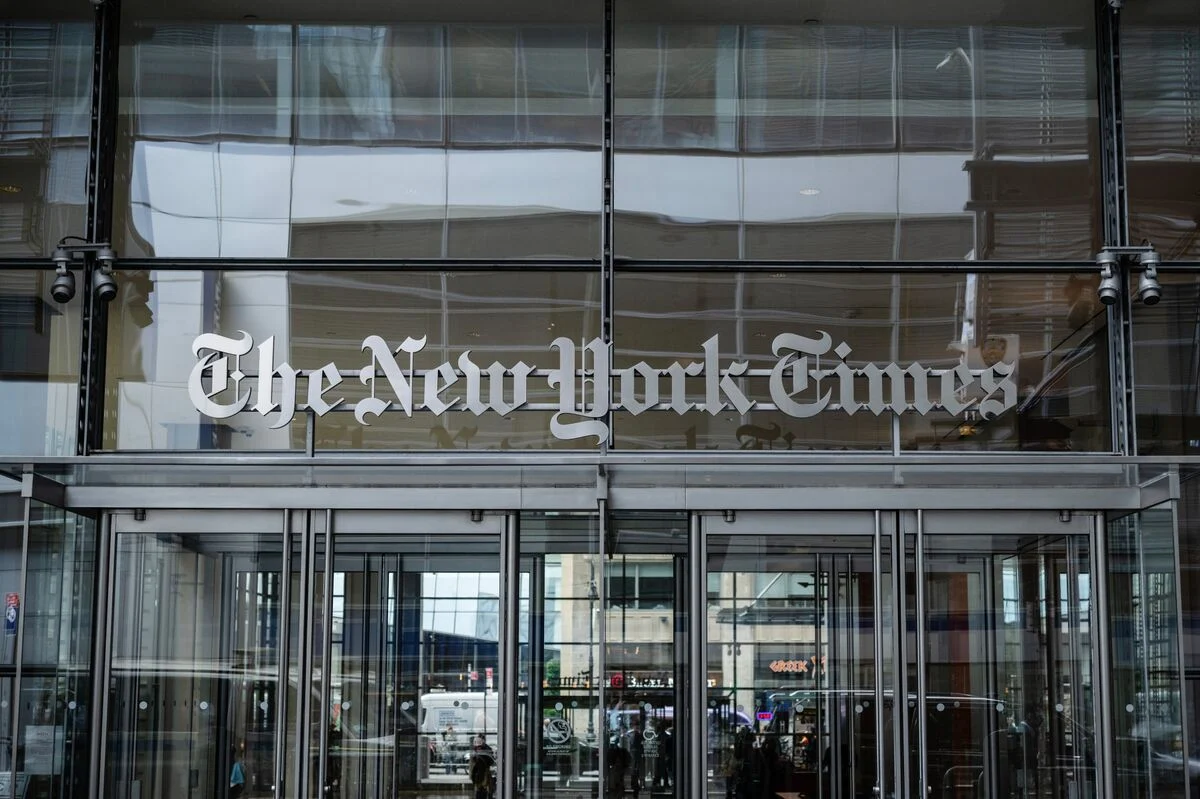
NYT Chicago Tribune Sue Perplexity AI Over Copyright Infringement
The New York Times Co. and the Chicago Tribune have filed a lawsuit against Perplexity AI Inc., an artificial intelligence search startup. The lawsuit claims that Perplexity AI is copying and distributing exclusive content owned by these news organizations without permission. This legal action is part of a growing number of lawsuits targeting AI developers over copyright concerns.
Both The New York Times and the Chicago Tribune argue that Perplexity AI has used their proprietary content in ways that violate copyright laws. They contend that the startup’s AI technology reproduces and shares their articles without authorization. This, they say, undermines their rights as content creators and publishers.
Details of the NYT Chicago Tribune Sue Case Against Perplexity AI
The complaint highlights that Perplexity AI’s search tool leverages the news organizations’ exclusive reporting and editorial work. By doing so, it allegedly distributes their content to users without proper licensing or compensation. The New York Times Co. and the Chicago Tribune emphasize that their original journalism is a valuable asset, and unauthorized use by AI companies threatens their business model.
This lawsuit reflects a broader legal battle between traditional media companies and emerging AI technologies. News publishers are increasingly concerned about how AI systems access, use, and share copyrighted material. The New York Times and Chicago Tribune’s decision to sue Perplexity AI underscores the tension between innovation in artificial intelligence and the protection of intellectual property rights.
Implications of the NYT Chicago Tribune Sue Action for AI Developers
The case brought by The New York Times Co. and the Chicago Tribune against Perplexity AI may set important precedents for the AI industry. It raises questions about how AI companies should handle copyrighted content and what limits exist on the use of such material. The lawsuit could influence future regulations and policies regarding AI’s interaction with protected works.
For Perplexity AI, the legal challenge presents a significant obstacle. The company must now defend its practices in court while the media companies seek to enforce their copyrights. This dispute highlights the ongoing conflict between content creators and AI developers over the use of exclusive information.
As more news organizations consider similar legal actions, the NYT Chicago Tribune sue case against Perplexity AI is likely to be closely watched. It represents a critical moment in the evolving relationship between the media industry and artificial intelligence technologies. The outcome may shape how AI companies operate and how publishers protect their content in the digital age.
For more stories on this topic, visit our category page.
Source: original article.