
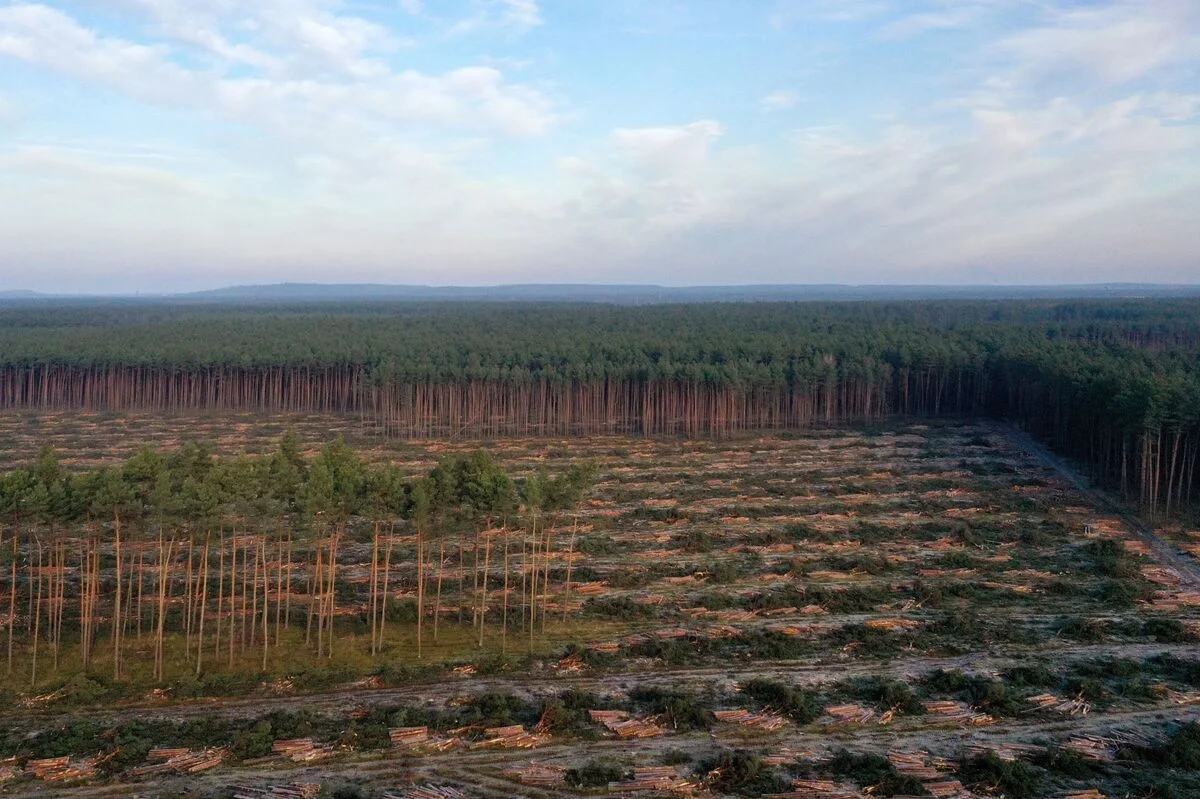
EU Reaches Deal on One-Year Delay to Deforestation Regulation
European Union negotiators have reached an agreement to postpone the implementation of a significant law aimed at reducing deforestation worldwide. This delay will last for one year. The law, which was designed to tackle deforestation on a global scale, faced criticism both within the EU and internationally. Critics pointed to the heavy bureaucratic demands and the potential negative effects on trade as major concerns.
The decision to delay the regulation reflects the challenges in balancing environmental goals with economic and administrative realities. The law was initially intended to impose strict requirements on companies to ensure their products do not contribute to deforestation. However, these requirements were seen as too burdensome by many stakeholders.
Details of the One-Year Delay and Its Implications
The EU’s agreement to delay the deforestation regulation by one year means that companies and governments will have additional time to prepare for the new rules. This postponement aims to ease the pressure on businesses that would have been affected by the immediate enforcement of the law. It also provides more time for authorities to develop practical ways to implement and monitor compliance.
By softening the requirements, the EU hopes to address some of the criticisms related to the regulation’s complexity and its impact on trade flows. The original version of the law was seen as creating a significant bureaucratic burden. This burden could have slowed down trade and increased costs for companies involved in importing goods linked to deforestation.
Balancing Environmental Protection and Trade Concerns
The EU’s move to delay and adjust the deforestation regulation highlights the difficulty of creating policies that protect the environment while supporting economic activity. The law was designed to ensure that products entering the EU market do not contribute to the destruction of forests around the world. However, the strict rules raised concerns about their practical effects on businesses and international trade.
With this one-year delay, the EU is attempting to find a middle ground. The postponement allows for further discussions and adjustments to the regulation, aiming to reduce the bureaucratic challenges without compromising the law’s core objective of fighting deforestation. This approach reflects the EU’s commitment to environmental protection while recognizing the need for workable solutions that consider economic realities.
In summary, the EU reaches deal on delaying the deforestation regulation by one year, softening its requirements to address criticism. This delay offers more time for preparation and aims to balance environmental goals with trade and administrative concerns. The agreement marks an important step in the EU’s ongoing efforts to combat global deforestation while managing the practicalities of implementing such a complex law.
For more stories on this topic, visit our category page.
Source: original article.