
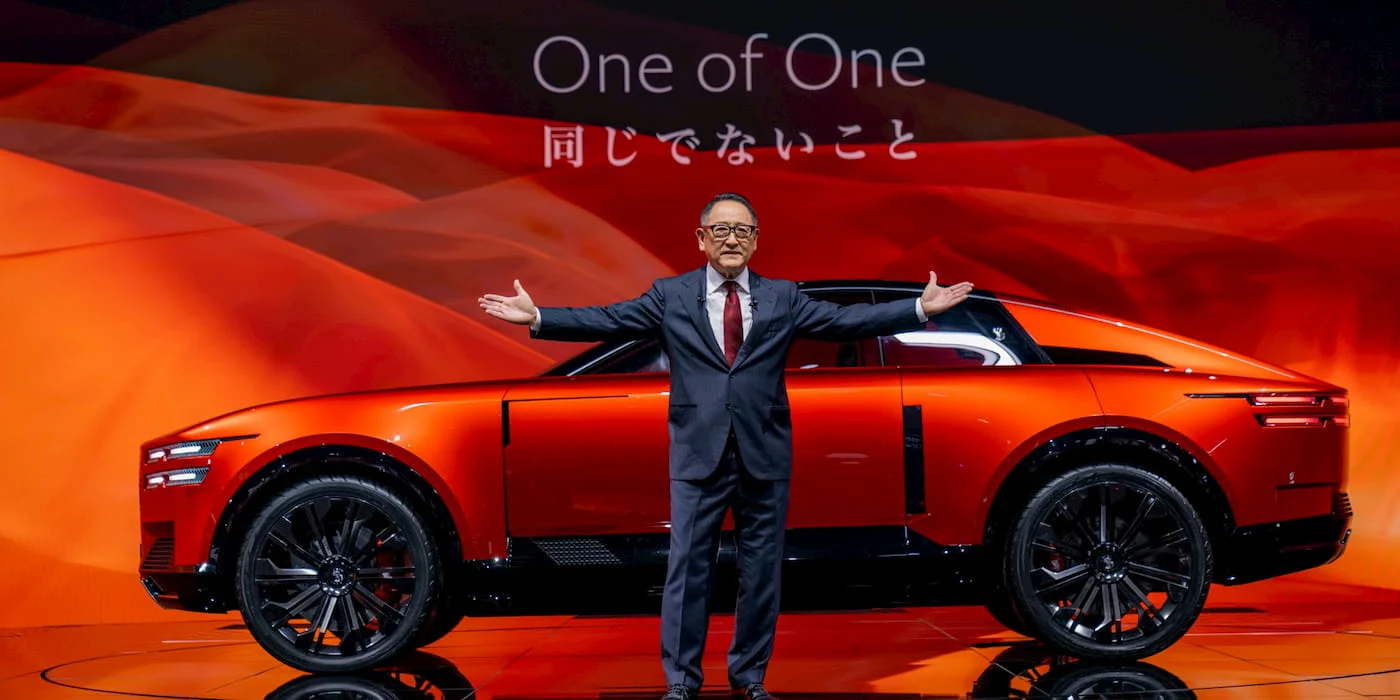
Toyota’s New Ultra-Luxury Brand and Its Commitment to ICE Technology
Toyota’s new ultra-luxury brand is emerging from the legacy of the Century, which has long been regarded as Toyota’s most luxurious vehicle. This iconic model is now being developed into a separate high-end brand, aiming to compete in the ultra-luxury market. However, contrary to widespread expectations, this new brand will not focus heavily on electric vehicles. Instead, it plans to maintain a strong commitment to internal combustion engine (ICE) technology.
The decision to stick with ICE technology is surprising to many, given the global shift toward electric vehicles. While many luxury automakers are aggressively pursuing electrification, Toyota’s new ultra-luxury brand is taking a different approach. This strategy could limit its appeal in a market that increasingly values electric powertrains and sustainability.
The Challenges Facing Toyota’s New Ultra-Luxury Brand
By choosing to emphasize ICE vehicles, Toyota’s new ultra-luxury brand may face significant challenges. The luxury car market is rapidly evolving, with many consumers and industry experts expecting ultra-luxury brands to lead the transition to electric mobility. Sticking to traditional combustion engines could make it difficult for Toyota’s new brand to compete effectively with rivals that offer cutting-edge electric technology.
The Century’s reputation for luxury and refinement is well established, but the new brand’s future success may depend on how well it adapts to changing market demands. While the brand’s focus on ICE technology might appeal to traditionalists who value the sound and feel of combustion engines, it risks alienating younger, environmentally conscious buyers who prioritize electric vehicles.
What Toyota’s New Ultra-Luxury Brand Means for the Future
Toyota’s new ultra-luxury brand represents an important step for the company as it seeks to expand its presence in the high-end market. The decision to spin off the Century into its own brand highlights Toyota’s ambition to compete with established luxury automakers. However, the brand’s commitment to ICE technology raises questions about its long-term viability.
As the automotive industry moves toward electrification, Toyota’s new ultra-luxury brand will need to carefully balance tradition with innovation. Its focus on internal combustion engines may appeal to a niche market, but it could also limit growth opportunities in a world increasingly dominated by electric vehicles. How Toyota navigates this challenge will be crucial to the brand’s success in the coming years.
In summary, Toyota’s new ultra-luxury brand is notable for its roots in the Century and its surprising decision to remain committed to ICE technology. This approach sets it apart from many competitors but also presents significant risks. The brand’s future will depend on how well it can meet evolving customer expectations while maintaining the luxury and refinement that the Century name represents.
For more stories on this topic, visit our category page.
Source: original article.