
NASA Software Raises Bar in Aircraft Icing Research
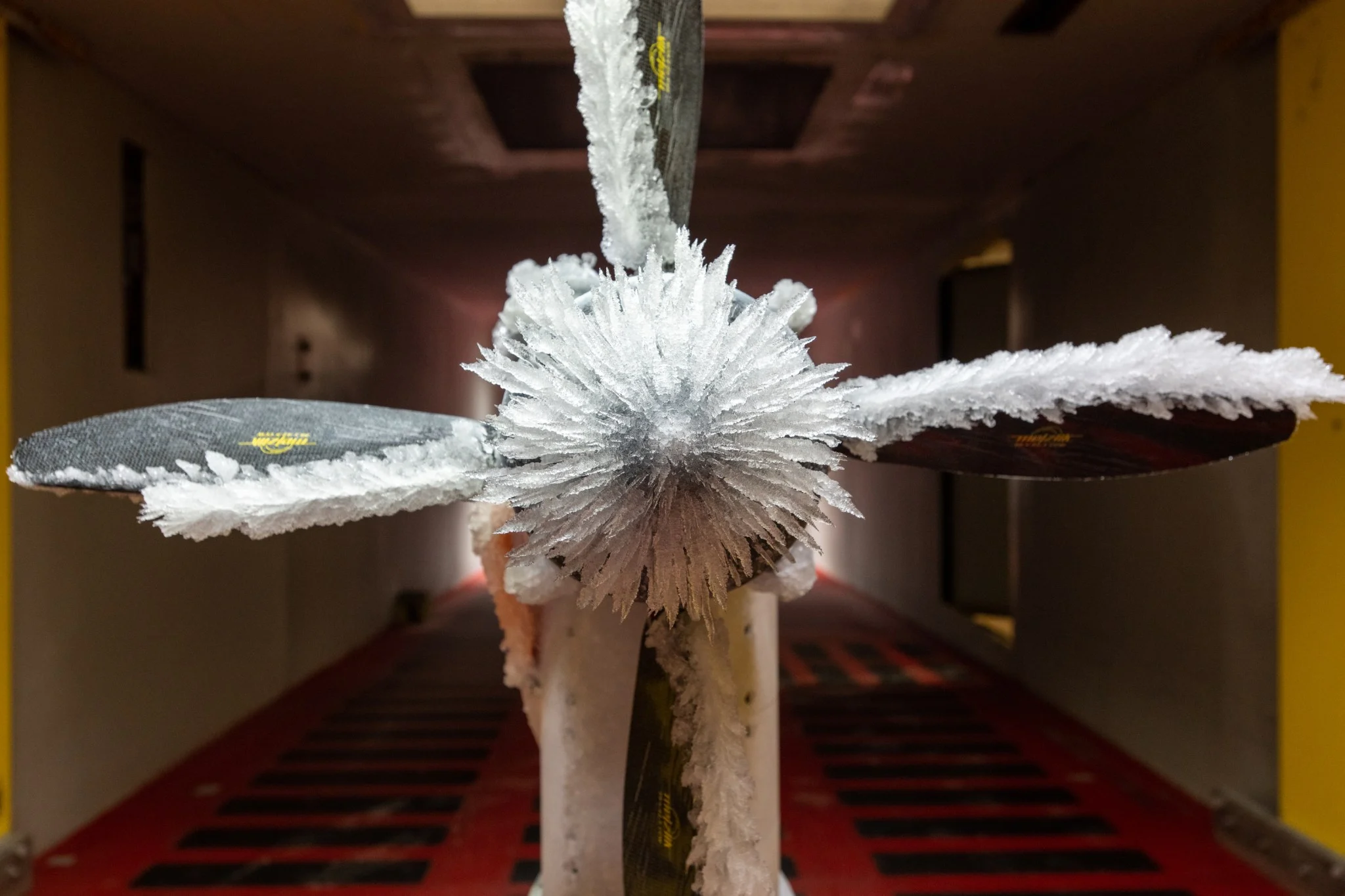
Flying through certain weather conditions can be hazardous due to tiny freezing water droplets suspended in the air. These droplets can accumulate on aircraft surfaces as ice, creating significant safety risks for both passengers and pilots. To address this challenge, NASA has developed advanced software tools designed to understand and prevent ice buildup on aircraft.
One such tool is the Glenn Icing Computational Environment, or GlennICE, created by researchers at NASA’s Glenn Research Center in Cleveland. GlennICE uses sophisticated 3D computational models to simulate how ice forms on aircraft components such as wings, engines, rudders, and elevators. This software is revolutionizing the way engineers design aircraft to minimize ice accumulation and enhance flight safety.
How NASA Software Raises Bar with Advanced Icing Simulation
GlennICE builds on decades of NASA’s world-class icing research and computational codes, which have become industry standards. Unlike earlier legacy programs, GlennICE offers a more advanced, flexible, and user-friendly platform. It can simulate water and ice particle behavior in nearly any atmospheric condition, making it ideal for studying complex and unconventional aircraft designs.
Christopher Porter, the lead developer of GlennICE, explains that traditional simulation tools were designed for conventional tube-and-wing aircraft. However, new vehicle designs, such as supersonic planes, advanced air mobility drones, and open-rotor turbofan engines, present unique icing challenges. GlennICE meets these demands by providing highly configurable simulations that accurately predict where water droplets will strike an aircraft, freeze, and accumulate as ice.
This capability is crucial because ice buildup does not occur uniformly. The software models the exact locations and shapes of ice accretions over time, factoring in the physics of air and water interaction. This detailed simulation helps engineers anticipate and mitigate icing risks more effectively than ever before.
NASA’s Comprehensive Approach to Icing Research
GlennICE is part of NASA’s broader effort to enhance aviation safety through computational tools and physical testing. The Glenn Research Center’s Icing Research Tunnel complements the software by providing real-world data to validate and refine the simulations. Together, these tools offer a comprehensive approach to studying ice formation on aircraft.
Wind tunnel testing can be limited by size and the complexity of simulating certain icing environments. GlennICE fills these gaps by allowing researchers to conduct digital experiments that would be impractical or impossible in physical tunnels. For example, it can model all icing conditions specified in new aviation regulations, supporting compliance and safety improvements.
The software’s design also opens possibilities beyond water droplet icing. Researchers have shown interest in using GlennICE to simulate the effects of sand and ash ingestion in aircraft engines, which pose additional hazards.
NASA’s investment in GlennICE is supported by the Transformative Aeronautics Concept and Advanced Air Vehicles programs. These initiatives aim to develop cutting-edge computational tools that drive innovation in aerospace design and safety.
In summary, NASA software raises bar in aircraft icing research by providing highly advanced, adaptable, and validated simulation tools. GlennICE empowers engineers and researchers to better understand ice formation, design safer aircraft, and address the challenges posed by new and unconventional aviation technologies. This progress ultimately helps ensure safer skies for all.
For more stories on this topic, visit our category page.
Source: original article.