
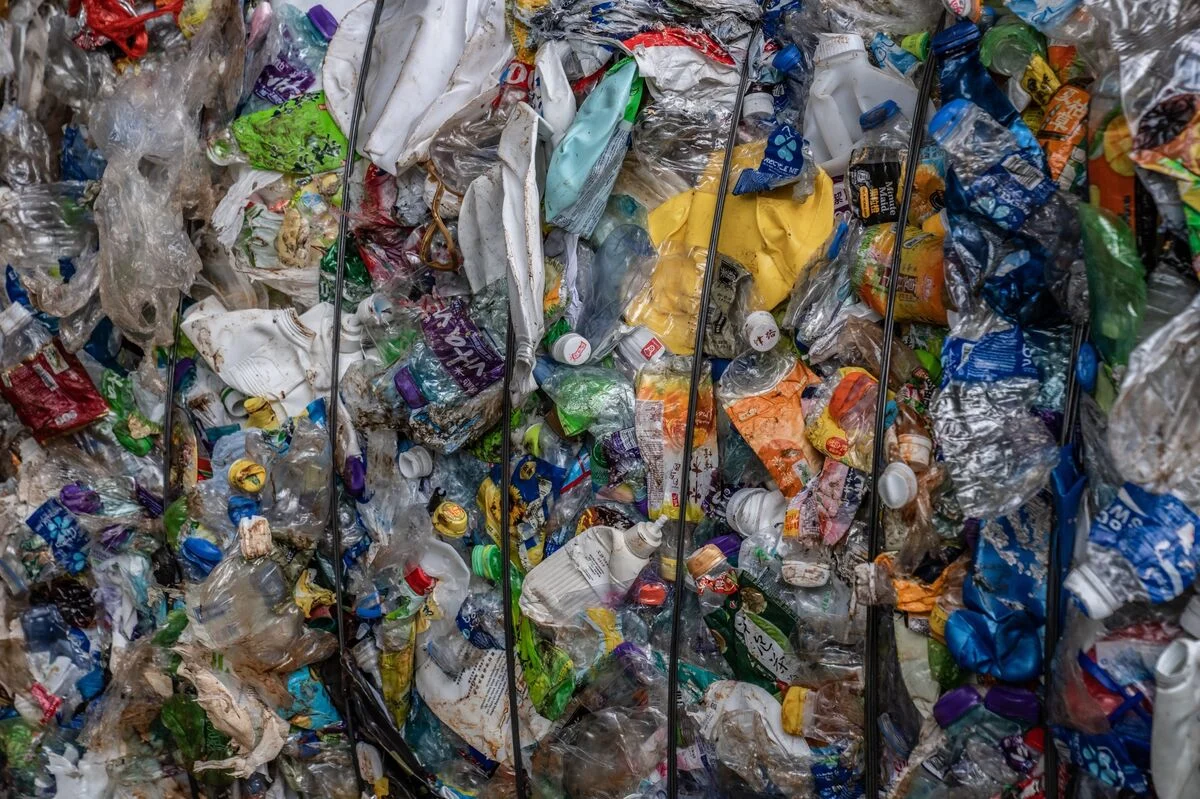
The World’s Plastic Problem Is Only Getting Worse
Plastic pollution is already a serious issue, and the situation is expected to deteriorate significantly. The world’s plastic problem is not just persistent; it is growing at an alarming rate. Despite efforts to manage and reduce plastic waste, the amount of plastic pollution continues to increase, threatening ecosystems and human health alike.
The scale of plastic pollution today is staggering. Plastic waste is found everywhere—from the deepest oceans to the most remote land areas. This widespread contamination shows how plastic has become deeply embedded in the environment. Unfortunately, the problem is far from being solved, and projections indicate that plastic pollution will only become more severe in the coming years.
Why the World’s Plastic Problem Is Escalating
One of the main reasons the world’s plastic problem is worsening is the increasing production and consumption of plastic products. As global populations grow and economies expand, the demand for plastic packaging, single-use items, and other plastic goods rises sharply. This growth in plastic use directly contributes to the accumulation of plastic waste.
Moreover, many plastic products are designed for short-term use and are discarded quickly. This disposability leads to a continuous stream of plastic entering the waste system. Unfortunately, much of this waste is not properly managed or recycled, resulting in plastic leaking into the environment. The lack of effective waste management infrastructure in many regions exacerbates the problem.
The Environmental Impact of Growing Plastic Pollution
The environmental consequences of the world’s plastic problem are severe and far-reaching. Plastic pollution harms wildlife, damages ecosystems, and contaminates natural resources. Marine animals often mistake plastic debris for food, leading to injury or death. On land, plastic waste disrupts habitats and can introduce toxic substances into the soil and water.
In addition to environmental harm, plastic pollution poses risks to human health. Microplastics, tiny plastic particles that result from the breakdown of larger items, have been found in drinking water, food, and even the air we breathe. The long-term effects of microplastic exposure on human health are still being studied, but the presence of these particles is cause for concern.
Efforts to address the world’s plastic problem include reducing plastic production, improving waste management, and increasing recycling rates. However, these measures have yet to reverse the trend. Without significant changes in how plastic is produced, used, and disposed of, plastic pollution will continue to worsen.
In summary, the world’s plastic problem is a growing crisis. Plastic pollution is already widespread and damaging, and it is expected to become even more severe. The increasing production and consumption of plastic, combined with inadequate waste management, are driving this trend. The environmental and health impacts of plastic pollution highlight the urgent need for effective solutions to tackle this escalating issue.
For more stories on this topic, visit our category page.
Source: original article.