
How TraffickCam Uses Computer Vision to Fight Human Trafficking
Abby Stylianou developed an app called TraffickCam that encourages users to upload photos of hotel rooms they stay in while traveling. Although this may seem like a simple task, the app builds a valuable database of hotel room images. This database helps Stylianou and her team assist victims of human trafficking by providing crucial evidence.
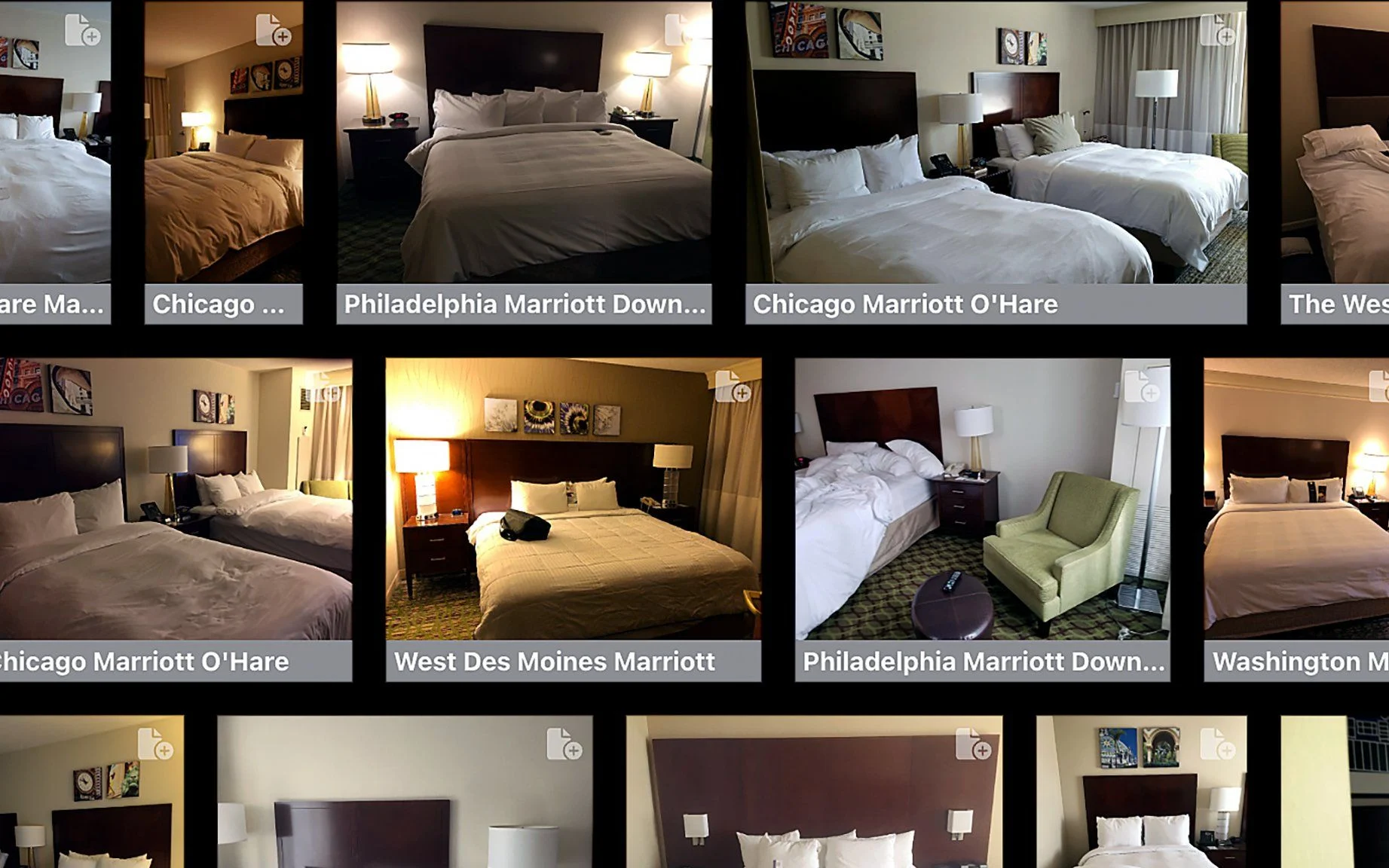
Traffickers often post photos of their victims in hotel rooms as part of online advertisements. These images serve as evidence that can help locate victims and prosecute traffickers. However, to make use of this evidence, analysts must identify where the photos were taken. This is where TraffickCam uses computer vision to make a difference. The app collects user-submitted images to train an image search system currently employed by the U.S.-based National Center for Missing and Exploited Children (NCMEC). This system aids in geolocating posted images, a task that is surprisingly difficult.
Stylianou, a professor at Saint Louis University, is collaborating with Nathan Jacobs’ group at Washington University in St. Louis to enhance the model further. They are developing multimodal search capabilities that will allow queries using video and text, expanding the tool’s usefulness.
How TraffickCam’s Algorithm Works
Stylianou explains that two key components power their AI system: the data and the model. The data consists of millions of publicly available hotel images scraped from the internet. However, these images are often polished advertising photos showing pristine hotel rooms, which differ significantly from the victim images. Victim photos tend to be selfies taken in messy rooms with poor lighting, creating what Stylianou calls a “domain gap.” This gap between training data and real-world images can reduce the model’s accuracy.
To address this, TraffickCam supplements internet images with photos submitted by users through the app. These user photos resemble the victim images more closely, helping to train a more effective model. Once the data is collected, neural networks are trained to convert images into numerical representations called vectors. These vectors capture the visual features of the images. The system then uses these vectors to find visually similar images, helping analysts infer the location of the hotel room in question.
Challenges in Identifying Hotel Rooms Using Computer Vision
Stylianou points out that matching hotel room images is more challenging than matching other types of locations. Many hotels, such as Motel 6, have rooms that look nearly identical across different locations. This similarity makes it hard for models to distinguish between different hotels. Conversely, rooms within the same hotel can look very different, such as a penthouse suite compared to a standard room or rooms before and after renovations. This variability complicates the task of assigning the same representation to images from the same hotel.
Another unique challenge is that many victim images contain sensitive content that must be erased before submission to the system. Initially, the team trained their model by covering people-shaped areas with blobs to encourage the network to ignore those parts. Later, they improved the process by using AI in-painting to fill in the erased areas with natural-looking textures. This method significantly improved search accuracy.
Stylianou also discusses the difference between image recognition and object recognition. Sometimes, analysts only see one object in the background of an image and want to search based on that object alone. Traditional models analyze the full image, which is less effective in these cases. To address this, the team is developing object-specific models that focus on items like couches, lamps, or carpets, allowing for more precise searches.
Evaluating TraffickCam’s Success and Real-World Impact
Evaluating the algorithm’s success is challenging because no real-world dataset exists for this purpose. Instead, the team creates proxy datasets by modifying images collected through the app to resemble victim photos. They measure how often the model correctly identifies the hotel from these altered images. While this provides a quantitative metric, it is not a perfect reflection of real victim images.
The team also works closely with NCMEC to gather feedback on the system’s performance. Analysts share both successful and unsuccessful search experiences, which helps improve the tool. Stylianou values this feedback highly, especially when analysts report when the system does not work as expected.
TraffickCam has already contributed to real-world rescues. Stylianou recalls a recent case where NCMEC analysts used the system to identify a hotel from a live stream showing a child being assaulted. By running a screenshot through TraffickCam, they located the hotel and alerted law enforcement, leading to the child’s rescue. This success story reinforces Stylianou’s commitment to using computer vision technology to make a meaningful difference in the fight against human trafficking.
For more stories on this topic, visit our category page.
Source: original article.