
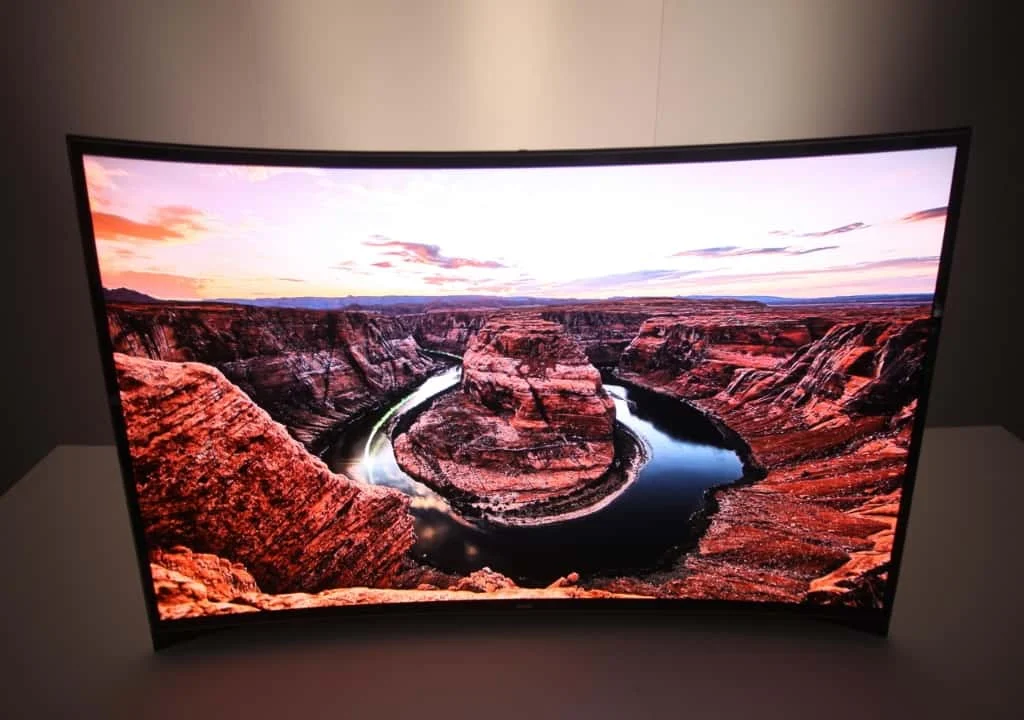
The Benefits of Curved TV Screens From Samsung
At CES 2014, the benefits of curved TV screens were showcased prominently, with Samsung leading the way. Samsung displayed a range of impressive TVs, including 4K models and a 65-inch curved TV. The most exciting innovation among these was the introduction of the curved TV screen. On Monday, Samsung unveiled the world’s first curved UHD TV. This raised an important question: are curved TVs worth the extra cost, or should consumers stick with traditional flat-screen models?
The answer depends on personal preference and budget. Curved TVs offer several advantages, especially for fans of 4K films. Although curved screens are not entirely new—they have been used in commercial cinemas and high-end home theaters for some time—Samsung’s curved TVs bring these benefits into the consumer market. Many projection screen manufacturers have produced curved screens for years, but now this technology is becoming accessible for home use.
The Benefits of Curved TV Screens
One of the main benefits of curved screens is their ability to direct more light toward the viewer. This enhances the brightness and clarity of the image. Another advantage is that curved screens resemble the shape of the human eye, which is also curved. This similarity allows the image to remain equidistant from the viewer’s eyes, potentially creating a more natural and comfortable viewing experience.
Curved TVs can also fill the viewer’s field of vision more effectively. For instance, if you sit to the side of a curved TV mounted on a wall, the image can appear to wrap around you. Samsung explains the benefits of their curved screens by stating, “The curved panel allows the distance between the user and the TV screen to be the same from almost any angle.” This means Samsung aims to provide a consistent viewing experience regardless of where you sit in the room.
Challenges of Curved TV Screens
However, the challenges do not lie with the curved screens themselves but with curved screen TVs in a home setting. To truly benefit from the wraparound effect or the natural image distance, viewers need to sit in a very specific spot. This ideal viewing position is easier to achieve in a large cinema, where there is ample space and many seating options. People sitting in the middle get the best experience, while those on the sides may not enjoy the full effect.
In a smaller home environment, the perfect viewing spot becomes much more limited. Dennis Burger of HomeTechTell conducted research and calculations on this issue. He found that at a viewing distance of 90 inches, a TV would need a curve depth of about 3 inches. LG’s curved TV has a curve depth of 5 inches, which is deeper than recommended. This means the ideal viewing distance for LG’s TV is about 134 inches, or over 11 feet away.
This distance is farther than most people typically sit from their TVs. Sitting that far back reduces the screen’s perceived size and resolution, making it feel closer to 720p quality rather than 4K. Therefore, to enjoy LG’s curved TV at its best, viewers must sit so far away that the screen appears smaller and less immersive.
The Verdict on Samsung Curved TVs
When purchasing a curved TV, it is important to sit at a precise distance to enjoy the benefits of the curve. Sitting too close or too far will diminish the advantages. This ideal position is usually suitable for only one person. If you add several viewers, the benefits of the curved screen are lost for those not sitting in the perfect spot.
Looking ahead, it is hoped that more curved TVs will become available that work well for average viewers and come at affordable prices. Currently, high-end models like LG’s 105-inch curved 4K TV, priced at $69,999, are out of reach for most consumers. As the technology develops, curved TVs may become more practical and accessible for everyday use.
In summary, the benefits of curved TV screens include improved light focus, a more natural viewing distance, and a wider field of view. However, these advantages require careful seating arrangements and may not suit all viewing situations. Whether curved TVs are worth the extra cost depends on individual preferences and viewing environments.
For more stories on this topic, visit our category page.
Source: original article.