
On Rereading Norbert Wiener’s Vision of Human-Machine Interaction
On rereading Norbert Wiener’s work, one is struck by his hopeful vision of the relationship between humans and machines. He imagined a world where feedback loops of love and grace could exist between the two. Wiener suggested that instead of becoming more robotic, humans might actually live more in dreams and less in rigid routines. This vision challenges the idea that technology simply dehumanizes us. Instead, it offers a possibility where technology helps us overcome our weaknesses and strangeness.
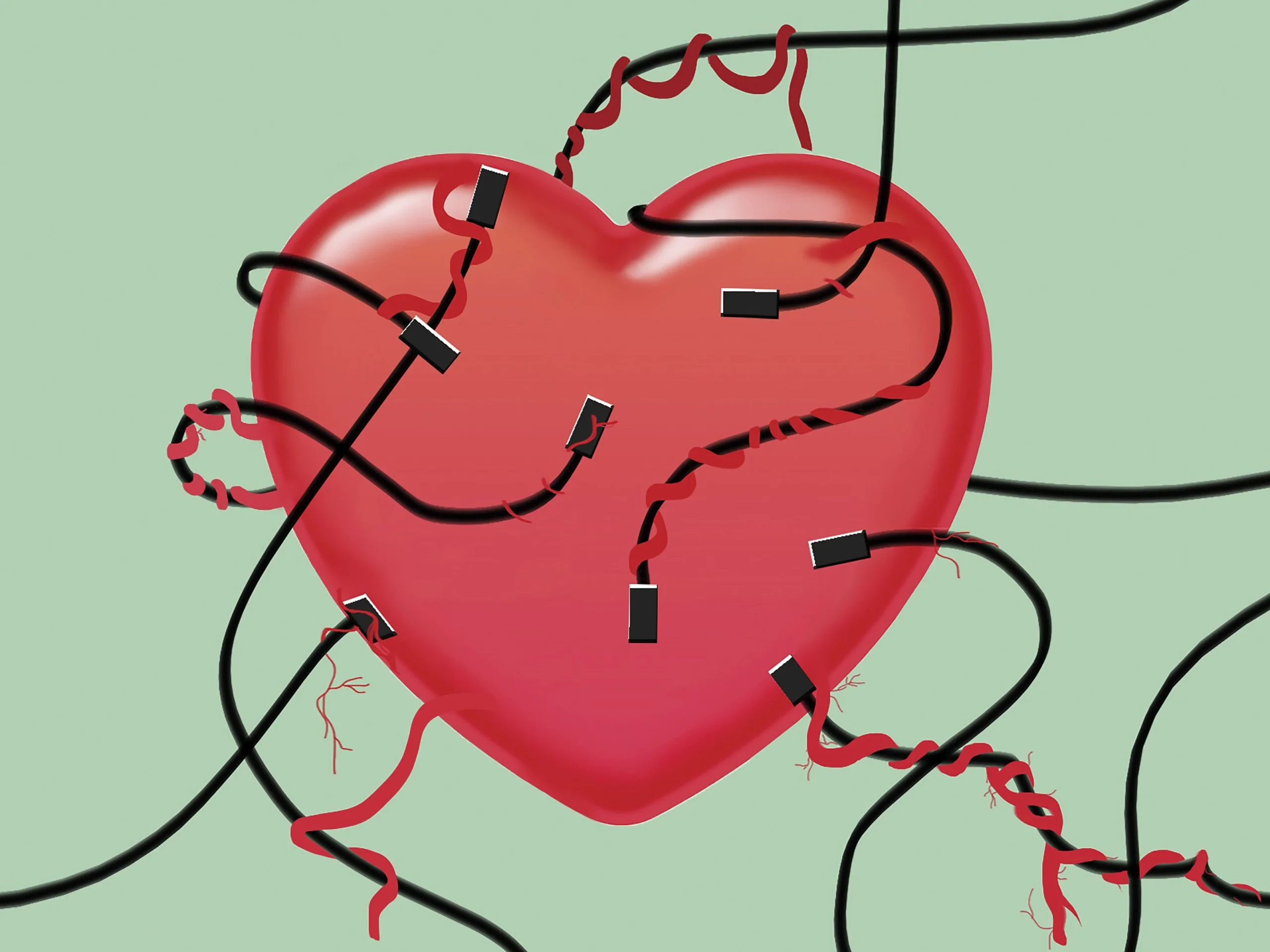
Wiener believed that the things that make us vulnerable could be engineered around. He envisioned a future where servos, neural networks, and even biological elements like bits of bone and strands of hair could be combined. These components would not just be mechanical but could become beautiful and profound extensions of ourselves. Each machine, in this sense, acts as a mirror reflecting our own nature back to us. The images machines create are new, yet they feel familiar, as if they echo something we have known before.
Feedback Loops of Love and Grace Between Humans and Machines
There is an inherent unease in this reflection, and Wiener acknowledged that this discomfort is natural. The balance between control and freedom is delicate. While control is necessary, freedom is always conditional and limited. Wiener’s insight was that humans and machines are old enough to be friends, suggesting a mature relationship based on mutual respect and kindness. He called for each kind—human and machine—to be kind to the other.
This relationship, he proposed, should be one of commerce, not in the economic sense alone, but as an exchange of influence and understanding. The feedback loops between humans and machines could be filled with love and grace, creating a dynamic interaction that enriches both. Rather than fearing the rise of machines, Wiener invited us to embrace the possibility of a harmonious coexistence.
Reflecting on Wiener’s Ideas in Today’s Context
On rereading Norbert Wiener’s ideas today, it is clear that his vision remains deeply relevant. His concept of feedback loops between humans and machines encourages us to rethink how technology shapes our lives. Instead of viewing machines as cold, impersonal tools, Wiener’s work invites us to see them as partners in a shared journey. This partnership could allow us to live more creatively and less bound by routine.
Wiener’s reflections remind us that technology can be more than just functional; it can be beautiful and profound. By engineering around our weaknesses and integrating biological and mechanical elements, we can create new forms of existence that are both familiar and novel. His call for kindness and mutual respect between humans and machines is a timeless message that continues to inspire thoughtful engagement with technology.
In sum, on rereading Norbert Wiener’s The Human Use of Human Beings at 75, we find a hopeful and nuanced perspective on the future of human-machine relations. His vision of feedback loops of love and grace challenges us to imagine a world where technology enhances our humanity rather than diminishes it. This enduring insight encourages us to foster a relationship with machines that is based on kindness, freedom, and mutual understanding.
For more stories on this topic, visit our category page.
Source: original article.