
How Will Virtual Reality Transform Tourism?
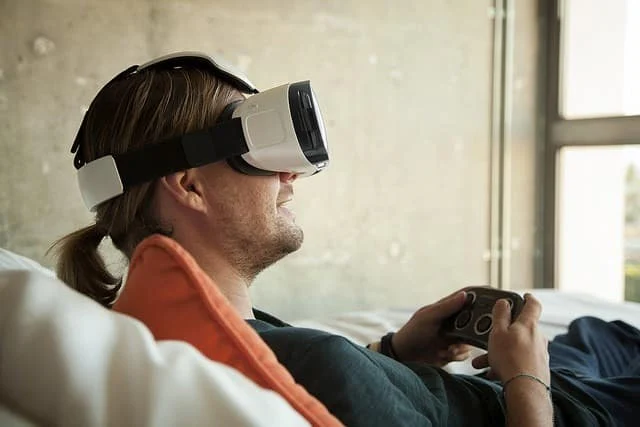
Virtual reality travel is emerging as a new form of tourism, especially in a world constrained by the Covid pandemic. Getting started with VR tourism is not complicated, thanks to advanced virtual reality tools such as the Samsung VR Headset and the Oculus Rift. These VR devices are poised to have a significant impact on many people’s lives worldwide. Technology experts argue that VR is already influencing daily life by providing immersive and entertaining experiences that engage users on a regular basis.
With the help of 3D mapping software, actual locations can be digitally recreated, allowing anyone, anywhere, to take a virtual walk through these destinations. Virtual reality devices will profoundly affect the tourism industry by offering tourists a three-dimensional experience that closely mimics visiting real places around the globe. This new approach to travel could reshape how people explore the world.
How Will Virtual Reality Affect the Tourism Industry?
Using modern VR technology like the Samsung VR Headset and Oculus Rift, tourists can take virtual day trips to museums, explore theme parks, or even go on hikes without leaving their homes. This technology has the potential to eliminate the need for physical travel, making it a revolutionary development in tourism. However, users will still need to choose the destinations they want to visit virtually before embarking on these digital journeys.
Currently, VR tourism is in its early stages and is not yet ready for widespread use. Nevertheless, it promises to allow tourists to virtually climb and enjoy views of famous landmarks such as the Great Pyramid of Giza, the Leaning Tower of Pisa, and the Mayan Temples. It can also showcase less well-known but beautiful places, like scenic spots in Maryland. This technology will serve as a powerful marketing tool, attracting potential visitors to popular tourist destinations.
Some critics worry that virtual reality might negatively impact tourism by reducing the desire to visit places in person. However, many tech experts believe that VR cannot replace the human experience of touch, taste, and genuine emotion. People want to physically feel and experience destinations, not just see them virtually. Therefore, VR is expected to complement traditional tourism by acting as an effective promotional strategy rather than a replacement.
Could Virtual Holidays Become the Future of Travel?
So far, the tourism industry has not shown signs of being harmed by existing technology. Many tourists prefer to take a virtual tour first to decide whether they want to visit a place physically. On the other hand, VR could become a game-changer by offering such realistic experiences that some might choose virtual holidays over physical travel.
Despite this, it is unlikely that virtual reality will stop tourists from visiting destinations and spending money on related services like spas, luxury accommodations, and fine dining. Instead, VR tourism might enhance interest in these experiences by giving people a preview of what awaits them.
In conclusion, understanding how virtual reality will affect the tourism industry helps us see the potential of this technology. It offers exciting new ways to explore the world virtually while supporting and promoting traditional travel experiences. As VR technology continues to develop, it will likely become an integral part of the tourism landscape, offering immersive and engaging experiences that attract and inspire travelers everywhere.
For more stories on this topic, visit our category page.
Source: original article.