
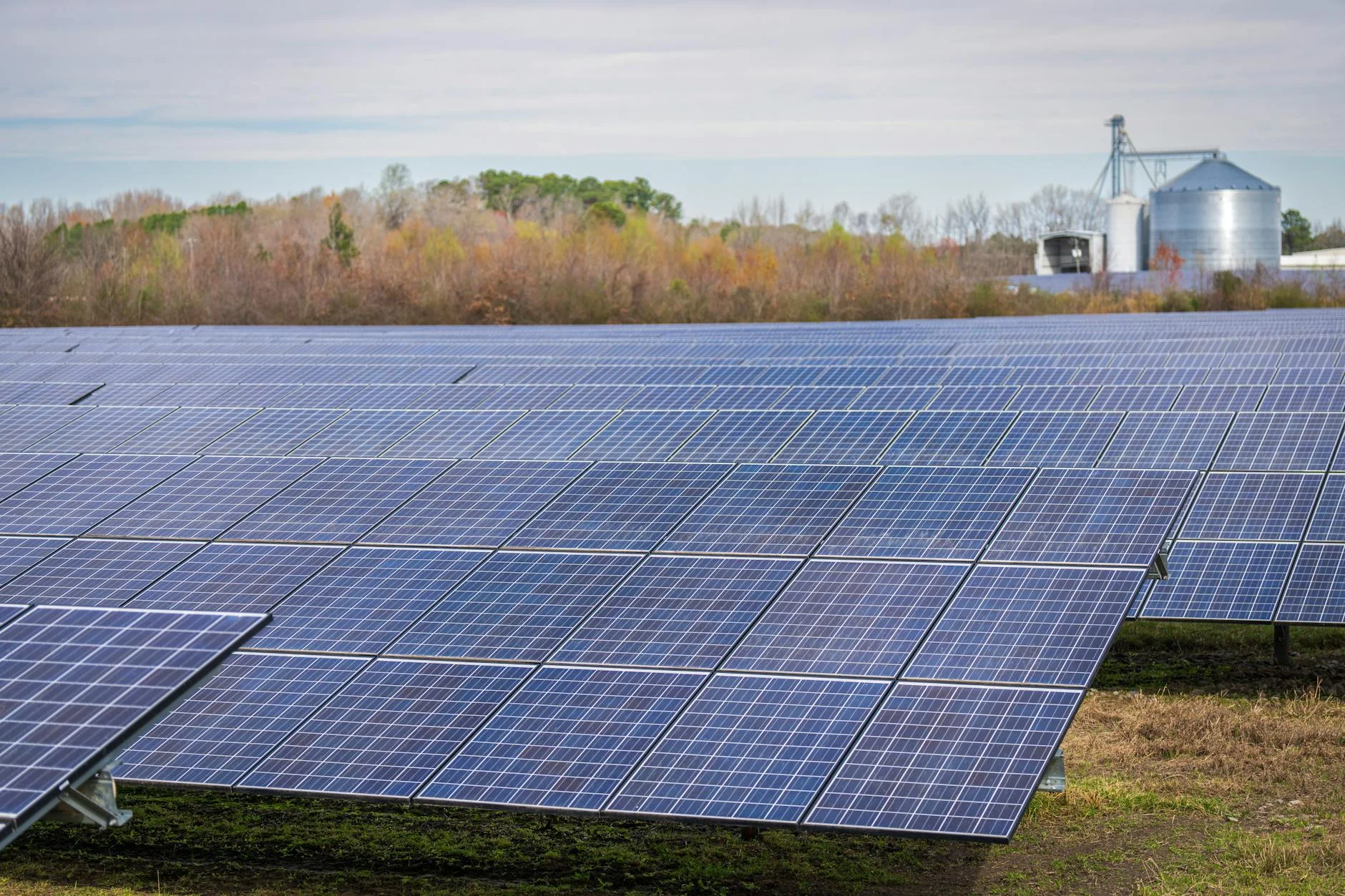
EIA Solar Storage Soar as Fossil Fuels Stall Through September 2025
Data from the US Energy Information Administration (EIA), released on November 25 and analyzed by the SUN DAY Campaign, shows that solar energy and battery storage have led the growth in the energy sector during the first nine months of 2025. Over this period, these renewable sources have outpaced all other forms of energy generation. Meanwhile, fossil fuels and nuclear power have shown little to no growth, indicating a clear shift in the energy landscape.
The EIA solar storage soar trend highlights the rapid expansion of solar power combined with battery storage systems. This combination is becoming increasingly important as it allows for more reliable and flexible energy supply. Battery storage helps to store excess solar energy generated during the day for use during periods when the sun is not shining, making solar power a more consistent and dependable energy source.
Growth Trends in Solar and Battery Storage
Throughout the first three quarters of 2025, solar and battery storage installations have surged ahead, capturing a significant share of new energy capacity additions. The data reveals that these technologies are not only growing quickly but are also dominating the market compared to traditional energy sources. This rise reflects ongoing investments and technological advancements that make solar and storage solutions more cost-effective and efficient.
In contrast, fossil fuel and nuclear power sectors have experienced stagnation. There has been little to no increase in capacity or output from coal, natural gas, oil, or nuclear plants during this time. This stagnation suggests that these older energy sources are losing ground as renewables become more competitive and favored by policy and market forces.
Implications of EIA Solar Storage Soar for the Energy Sector
The dominance of solar and battery storage in new energy growth has important implications for the future of the US energy system. The EIA solar storage soar trend points to a transition away from fossil fuels and nuclear energy toward cleaner, more sustainable options. This shift is driven by environmental concerns, economic factors, and technological progress.
As solar and storage technologies continue to advance and expand, they are expected to play a central role in meeting the country’s energy needs. The ability to store solar energy effectively addresses one of the main challenges of renewable energy—its intermittency. With battery storage, solar power can be dispatched when demand is high or when other sources are unavailable, enhancing grid reliability.
Overall, the EIA data through September 2025 clearly shows that solar and battery storage are the fastest-growing segments in the energy sector. Their rapid growth contrasts sharply with the stagnation seen in fossil fuels and nuclear power. This trend underscores a significant transformation in how energy is produced and consumed in the United States, marking a move toward cleaner and more flexible energy solutions.
For more stories on this topic, visit our category page.
Source: original article.