
Newly Found Organics in Enceladus’ Plumes Reveal Potential for Chemical Activity
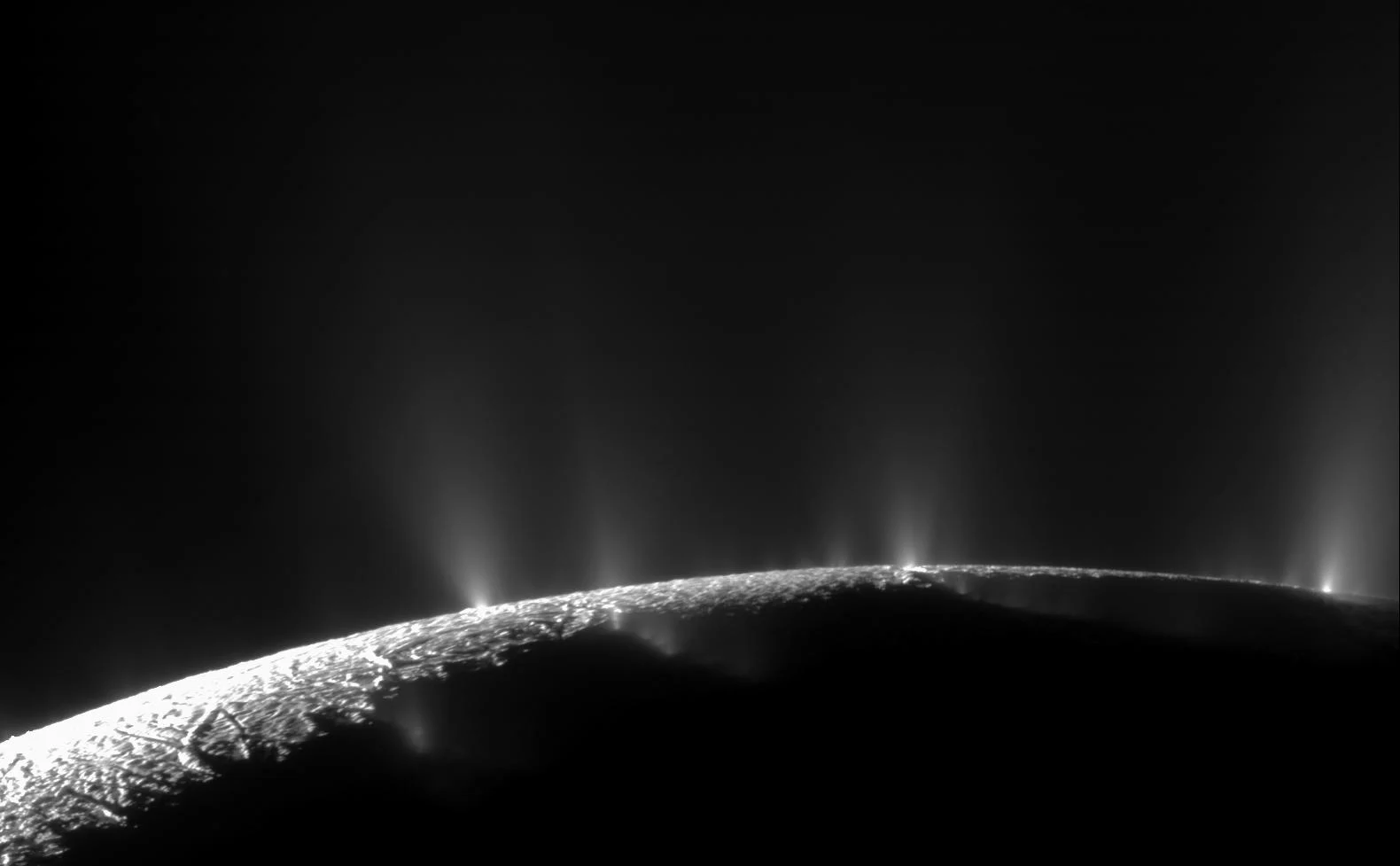
Saturn’s moon Enceladus is known for its dramatic plumes that spray water ice from multiple locations along the famous tiger stripes near its south pole. These plumes, both large and small, eject ice particles from the ocean beneath Enceladus’ frozen shell. A study published in October 2025 analyzed data collected by NASA’s Cassini mission and revealed the presence of previously undetected organic compounds within these icy plumes.
The research team examined the ice particles ejected from Enceladus’ subsurface ocean and identified not only organic molecules that had been detected before but also new organic compounds. These newly found organics in the plumes suggest a possible pathway to chemical or even biochemical activity beneath the moon’s icy crust. This discovery adds to the growing understanding of Enceladus as a potentially habitable environment in our solar system.
Insights from NASA’s Cassini Mission on Newly Found Organics in Enceladus’ Plumes
The Cassini spacecraft provided valuable data that allowed scientists to study the composition of Enceladus’ plumes in detail. By analyzing the ice particles sprayed from the moon’s tiger stripe fractures, researchers detected a variety of organic molecules. The newly found organics in these plumes expand the known chemical complexity of Enceladus’ subsurface ocean.
These findings are significant because organic compounds are essential building blocks for life as we know it. The presence of new organic molecules indicates that chemical processes are occurring beneath the icy surface, potentially leading to biochemical activity. This discovery fuels scientific interest in Enceladus as a prime candidate for further exploration in the search for extraterrestrial life.
Understanding the Importance of Newly Found Organics in Enceladus’ Plumes
The detection of newly found organics in Enceladus’ plumes highlights the dynamic nature of this small moon. The ice particles, which are continuously sprayed from the ocean beneath the frozen shell, carry vital clues about the moon’s internal chemistry. By studying these organics, scientists can better understand the conditions within Enceladus’ hidden ocean and assess its potential to support life.
This research underscores the importance of continued exploration and analysis of Enceladus. The discovery of new organic compounds in the plumes not only enriches our knowledge of the moon’s chemistry but also opens up new possibilities for understanding the origins of life beyond Earth. As scientists delve deeper into the data from Cassini, Enceladus remains a fascinating world with many secrets yet to be uncovered.
For more stories on this topic, visit our category page.
Source: original article.